
Prof. Praful Ghadge
Head, Electrical Engineering Department
B.Tech., M.Tech, Ph.D*
+91 97307 57791
hod.electrical@tgpcet.com
Welcome to the Department of Electrical Engineering, Tulsiramji Gaikwad-Patil College of Engineering, Nagpur. It is indeed a fact that one cannot imagine the world without electricity, and due to the technology development the Electrical and Electronic devices have become essential and inevitable part of our daily routine. The Department focus is to train the students to get strong academic knowledge in the upcoming areas of Electrical Engineering and also to make the students ready to face real-world problems and their challenges. The faculty members display a high level of dedication and enthusiasm towards both teaching and state-of-the-art research.
The Department faculty has sound knowledge in emerging research areas like Power electronics, High voltage system; Electrical machines and drives, Control System, Power system optimization and Active distribution networks and Smart grid technologies. Department is also having 13 well equipped laboratories including a project laboratory and an Industry sponsored research laboratory. Our faculty members have published their research articles in reputed national and international journals. The department is active in organizing the various workshops and seminars for the growth and development of faculty and students. Our department students are also highly encouraged to implement their innovative research ideas with the help of the expert faculty members.
At present, the department offers a four-year undergraduate programme, B Tech (Electrical Engineering), and M.Tech program (Integrated Power System). The Electrical Engineering graduate has a wide range of career opportunities in Power industries, Government PSUs, R&D Units, IT industries, Electricity Boards/Utility companies, Telecommunications industries, Manufacturing industries, Solar Industries Electric Vehicle Industries etc.
Electrical Engineering is the one of core branch of Engineering. The Department is NBA Accredited from session 2023-24. The basic infrastructure like electrical power plays the major role in the developing economy. The knowledge of fundamentals of electrical engineering is essential for almost all streams. The Department Of Electrical Engineering provides in depth education & prepares its students for all the possible future career & developments in technology. Department has a fine blend of experienced as well as young dynamic enthusiastic personalities as faculty for providing quality education at both B.E.(Electrical) and M.Tech.(Integrated Power System). It aims to promote research and teaching activity based on advanced and novel teaching methods. Technical experts from the industries and institution also contribute to the institute with their knowledge and experience.
The specious infrastructure, well equipped laboratories, meritorious students and academically qualified and enthusiastic faculty being the salient features of the Department. The college maintains good culture and discipline by having close association with each student through 'Teacher Guardian Scheme'.
Vision
To emerge as a learning hub and centre of excellence in the domain of Electrical Engineering.
Mission
↪ To disseminate knowledge replete with quality education in the field of Electrical Engineering in meticulous and methodical manner.
↪ To provide platform to address societal issues as well as challenges faced by industries.
↪ To develop research culture and inculcate innovative and entrepreneurial skills.
↪ To ensure overall development of students and staff by instilling knowledge and professional ethics as a part of lifelong learning.
→ Programme Educational Objectives
PEO1: Demonstrate and analyze the fundamental knowledge with respect to the various domains of Electrical Engineering.
PEO2: Investigate and apply modern tools to develop innovativeness in different applications of Electrical Engineering domain.
PEO3: Integrate new emerging trends and concepts in Electrical Engineering profession for sustainable development.
PEO4: Develop professionals having managerial and administrative Qualities for Electrical Engineering related industries.
PEO5: Promote lifelong learning, to prepare for the next challenges in the field of Electrical Engineering.
→ Program Specific Outcomes
PSO 1 - Formulate the solutions to Electrical and Electronics Engineering problems using the basic concepts.
PSO 2 - Develop the process to interpret networks parameters in power system operation and control with their protection and driving mechanisms.
PSO 3 – Apply project based learning to conduct experiments with Electrical Machines, Power Electronics to develop energy efficient systems.
→ Program Outcomes
| Engineering knowledge: | Apply the knowledge of mathematics, science, engineering fundamentals, and an engineering specialization to the solution of complex engineering problems. |
| Problem analysis: | Identify, formulate, review research literature, and analyze complex engineering problems reaching substantiated conclusions using first principles of mathematics, natural sciences, and engineering sciences. |
| Design/development of solutions: | Design solutions for complex engineering problems and design system components or processes that meet the specified needs with appropriate consideration for the public health and safety, and the cultural, societal, and environmental considerations. |
| Conduct investigations of complex problems: | Use research based knowledge and research methods including design of experiments, analysis and interpretation of data, and synthesis of the information to provide valid conclusions. |
| Modern tool usage: | Create, select, and apply appropriate techniques, resources, and modern engineering and software tools including prediction and modeling to complex engineering activities with an understanding of the limitations. |
| The engineer and society: | Apply reasoning informed by the contextual knowledge to assess societal, health, safety, legal and cultural issues and the consequent responsibilities relevant to the professional engineering practice. |
| Environment and sustainability: | Understand the impact of the professional engineering solutions in societal and environmental contexts, and demonstrate the knowledge of, and need for sustainable development. |
| Ethics: | Apply ethical principles and commit to professional ethics and responsibilities and norms of the engineering practice. |
| Individual and team work: | Function effectively as an individual, and as a member or leader in diverse teams, and in multidisciplinary settings. |
| Communication: | Communicate effectively on complex engineering activities with the engineering community and with society at large, such as, being able to comprehend and write effective reports and design documentation, make effective presentations, and give and receive clear instructions. |
| Project management and finance: | Demonstrate knowledge and understanding of the engineering and management principles and apply these to one’s own work, as a member and leader in a team, to manage projects and in multidisciplinary environments. |
| Life-long learning: | Recognize the need for, and have the preparation and ability to engage in independent and lifelong learning in the broadest context of technological change. |
Use of Smart Classroom:
Smart classrooms are equipped with the latest technologies and digital tools helps to make teaching and learning better and more effective for teachers and students. These learning technologies includes computers, specialized software, networking, assistive listening devices, audience response technology, and audio/visual capabilities.
This digital transformation enables teachers to prepare dynamic multimedia lessons while helping change students’ outlook towards studies. Additionally, since learning takes place through integrated learning technologies, students become more effective learners, eventually improving their academic performance.
| Sr. No | Infrastructure | Quantity |
|---|---|---|
| 1 | Smart Class room | 01 |
| 2 | Class room | 04 |
| 3 | Tutorial | - |
| 4 | Seminar Hall | 01 |
| 5 | Conference Hall | 01 |
The class rooms are equipped with overhead projector and internet through high speed wi-fi connection. For ICT following teaching aids are being used by the department
→ PPT presentation based on the curriculum
→ NPTEL teaching materials
→ E books
→ Multimedia facility
LABORATORIES:
→ High Voltage Engineering laboratory
→ Electrical Installation and Design laboratory
→ Electrical Machines laboratory
→ Electrical Workshop
→ Electrical Drawing &Simulation Laboratory
→ Control System laboratory
→ Power Electronics laboratory
→ Basic Electrical Engineering laboratory
→ Network Analysis laboratory
→ Measurement & Instrumentation laboratory


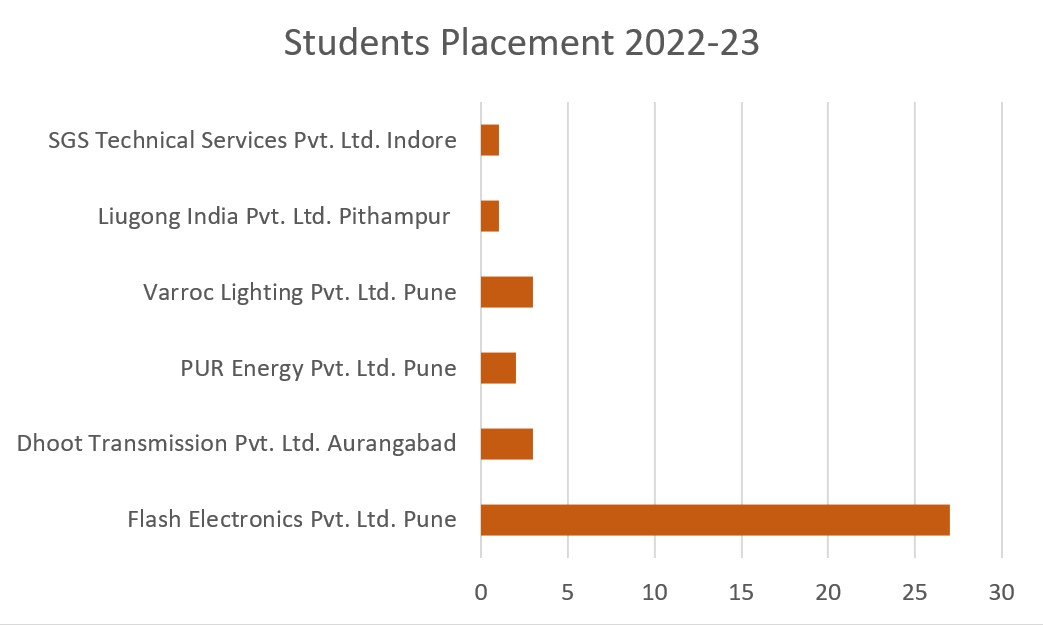
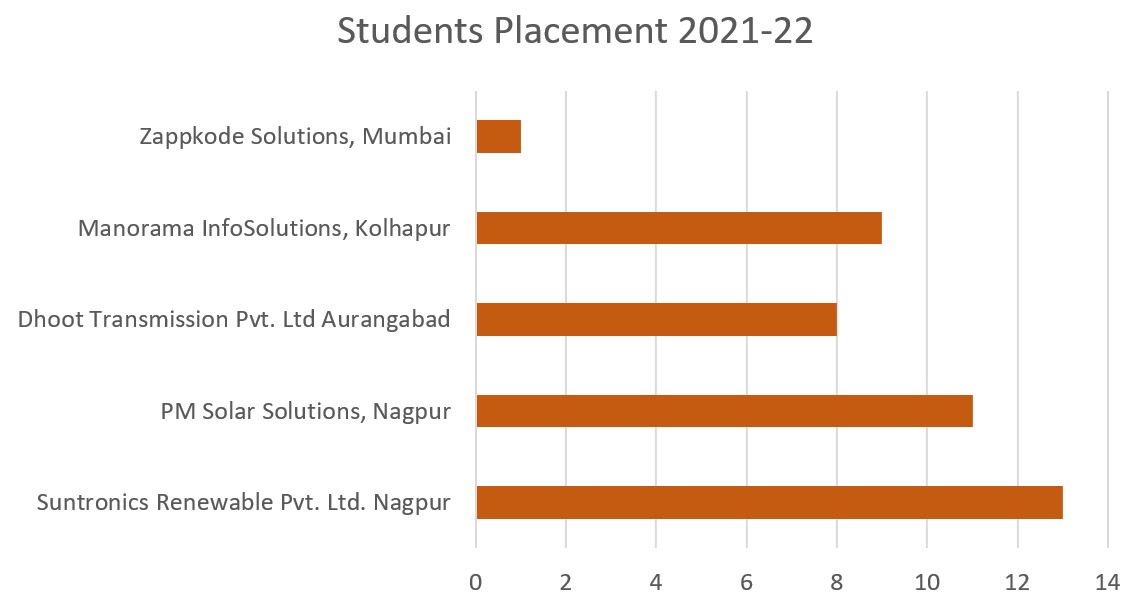
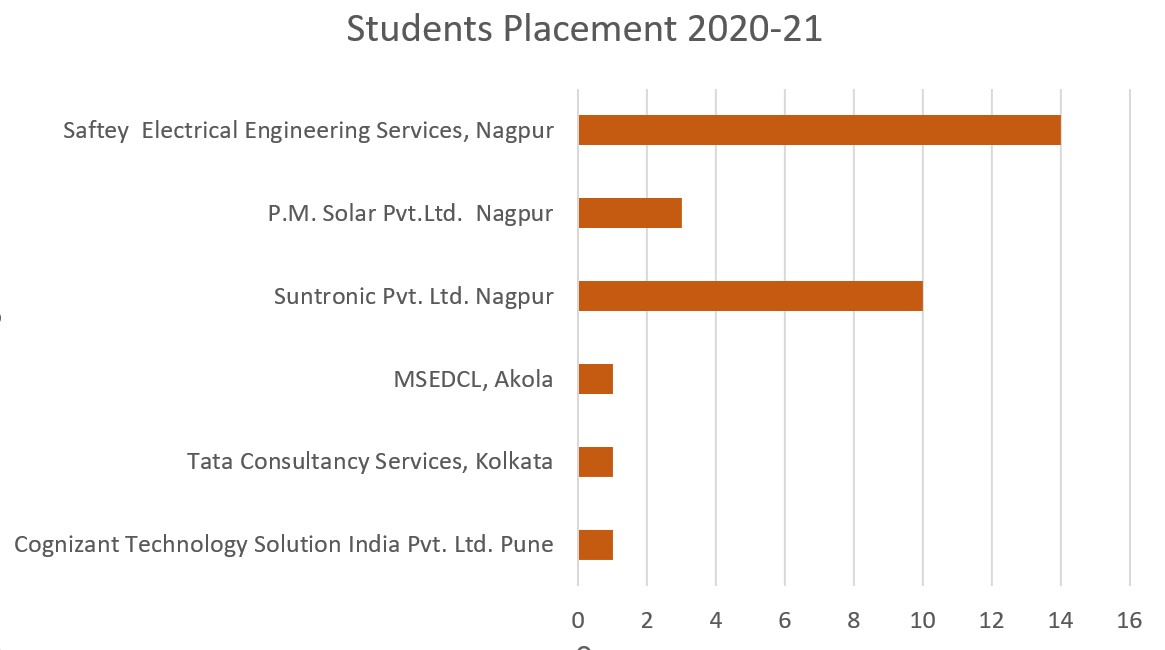
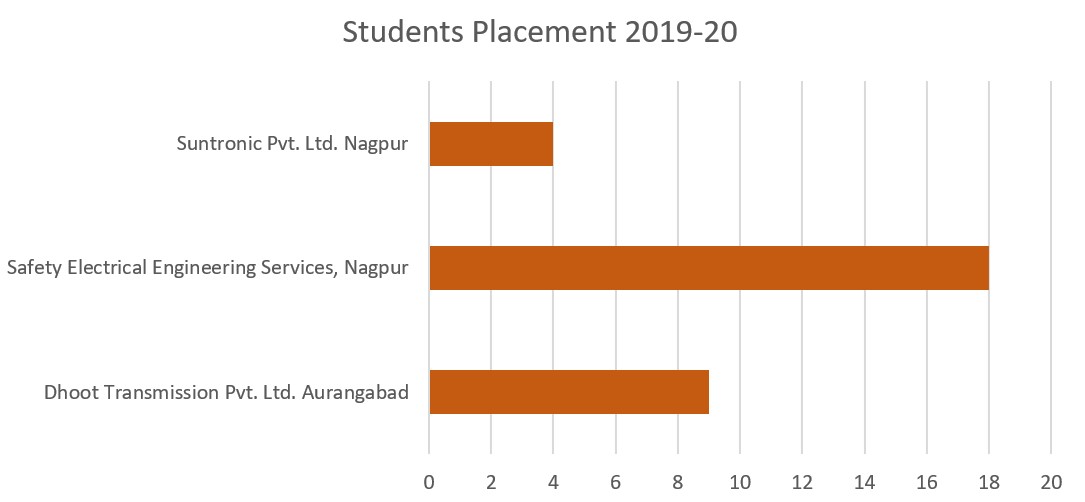


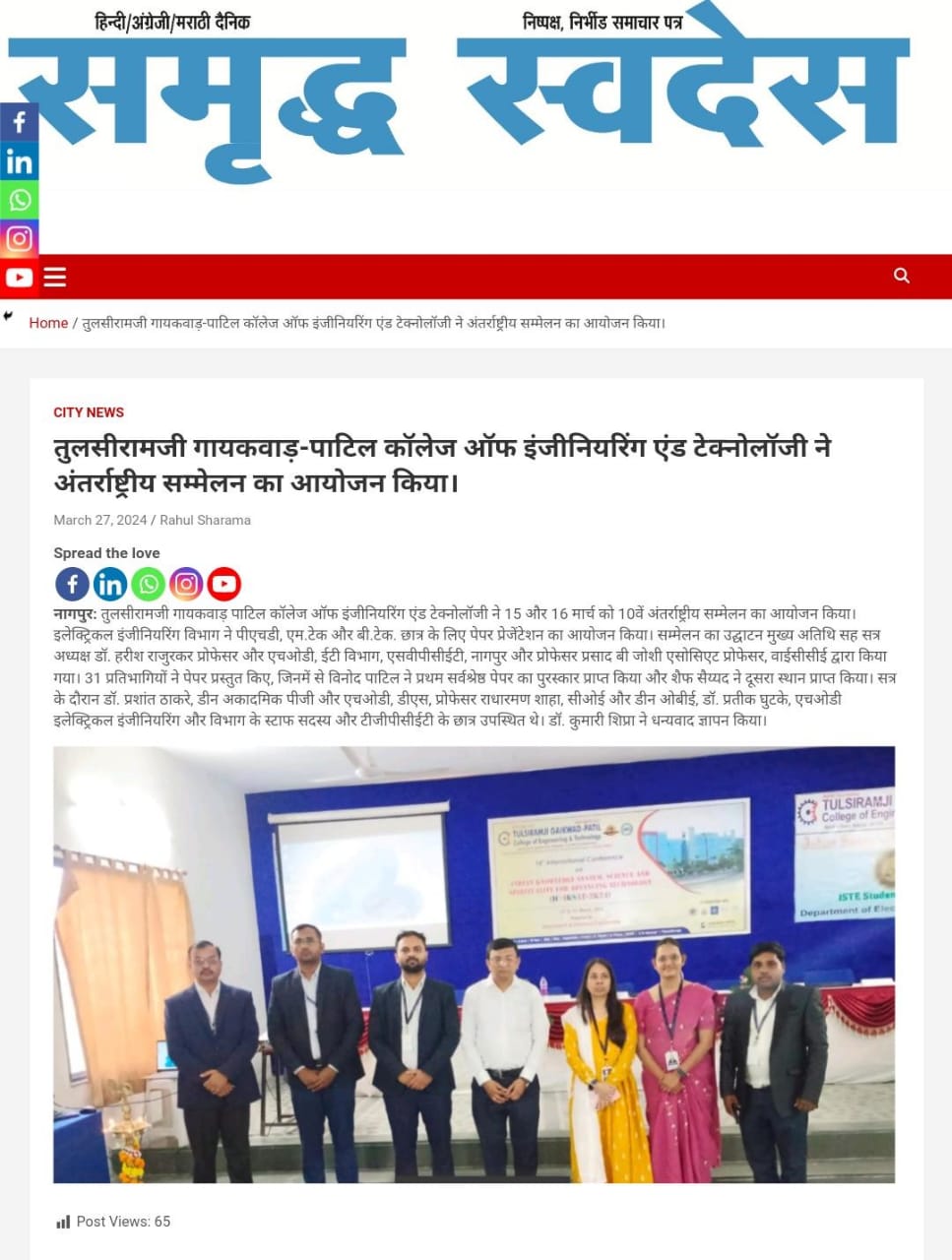
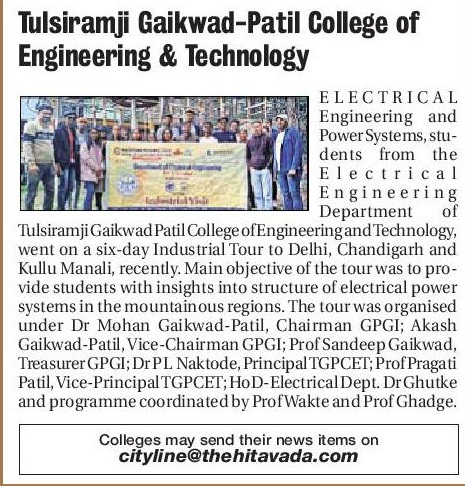
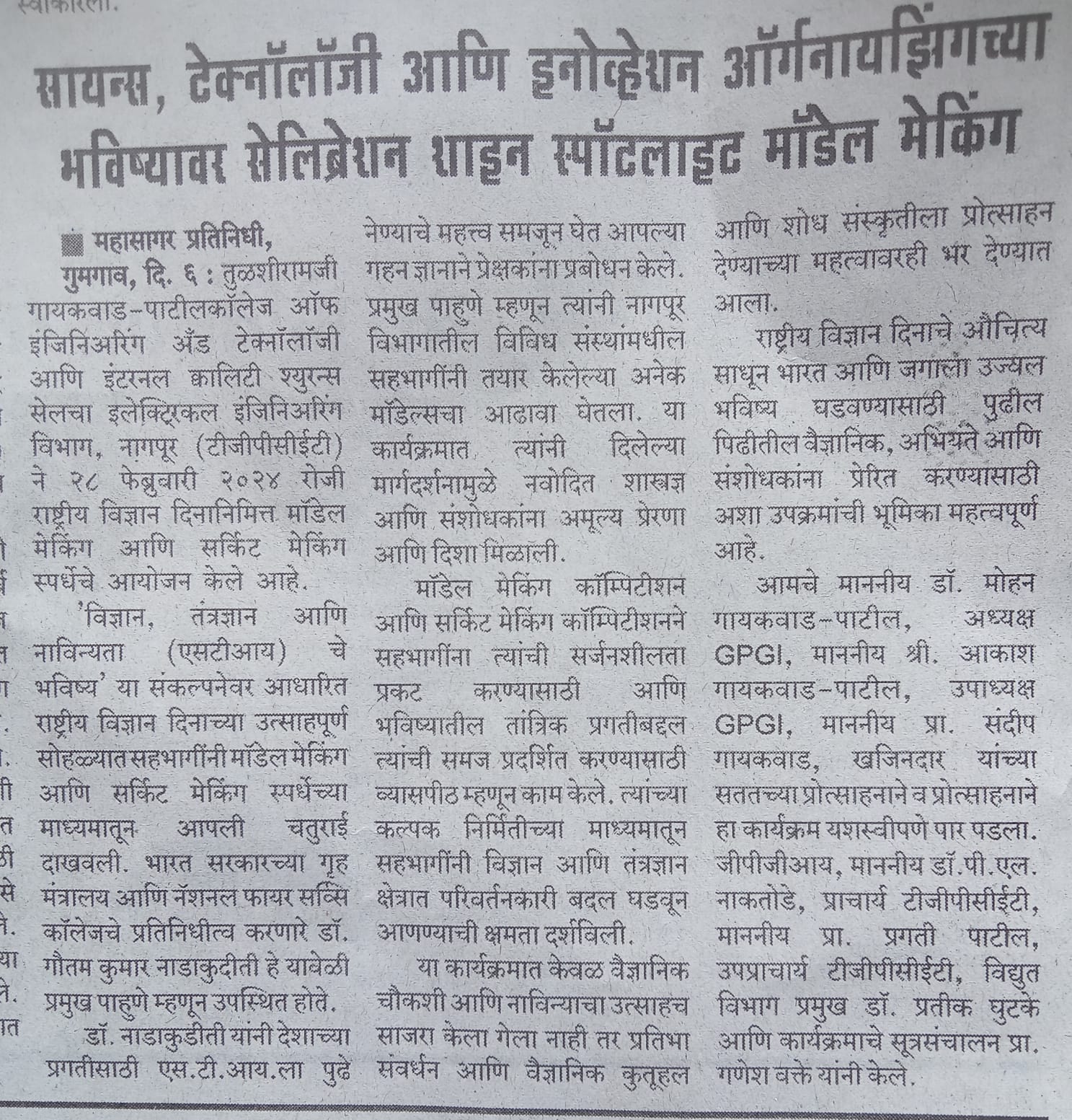
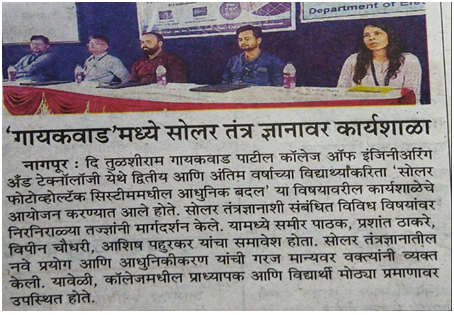

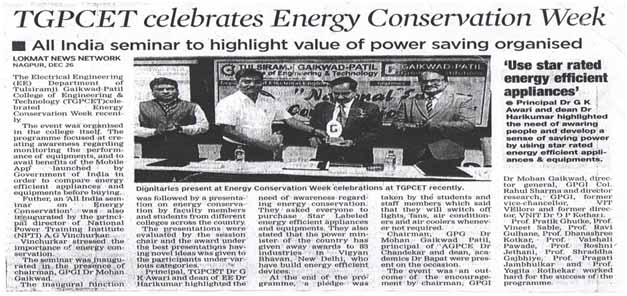

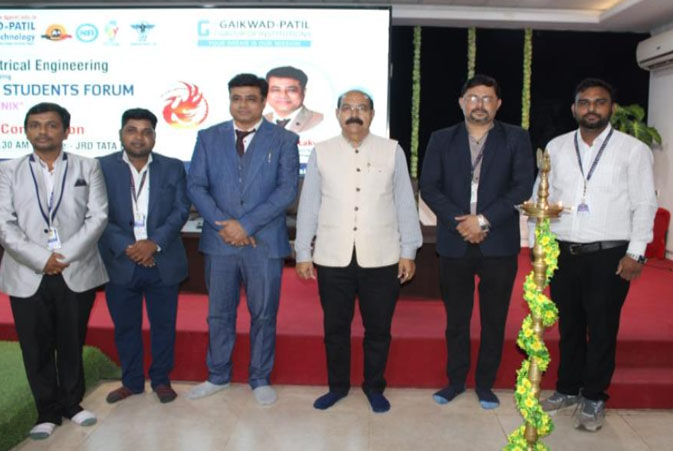
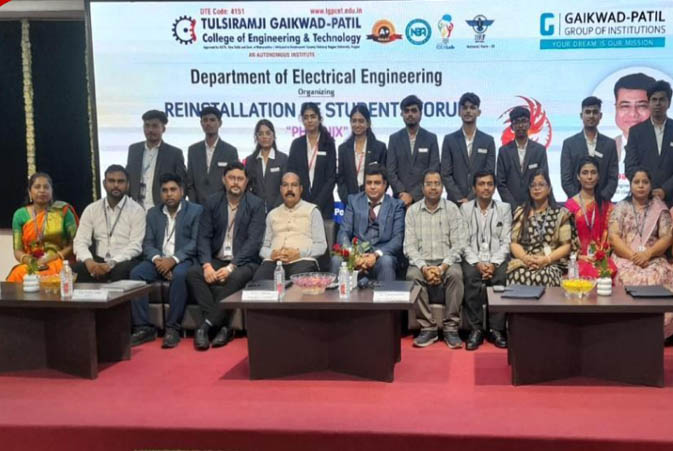

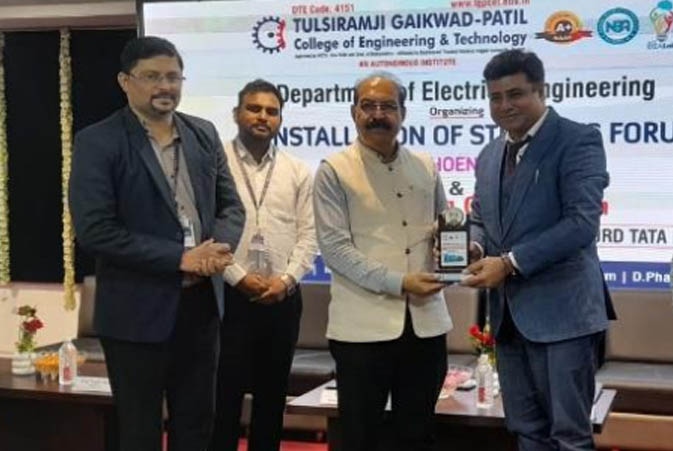

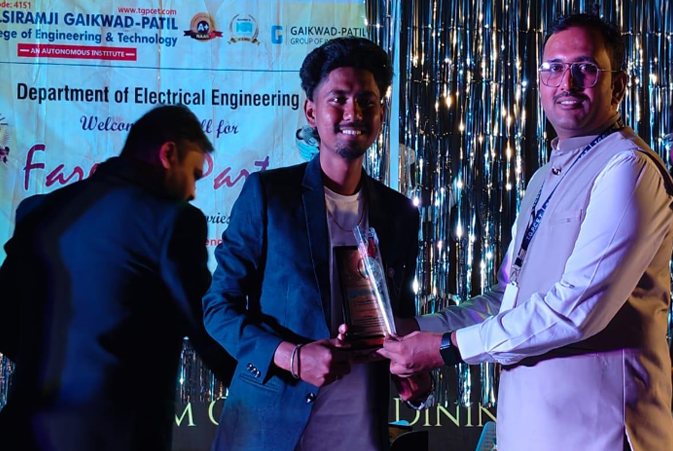




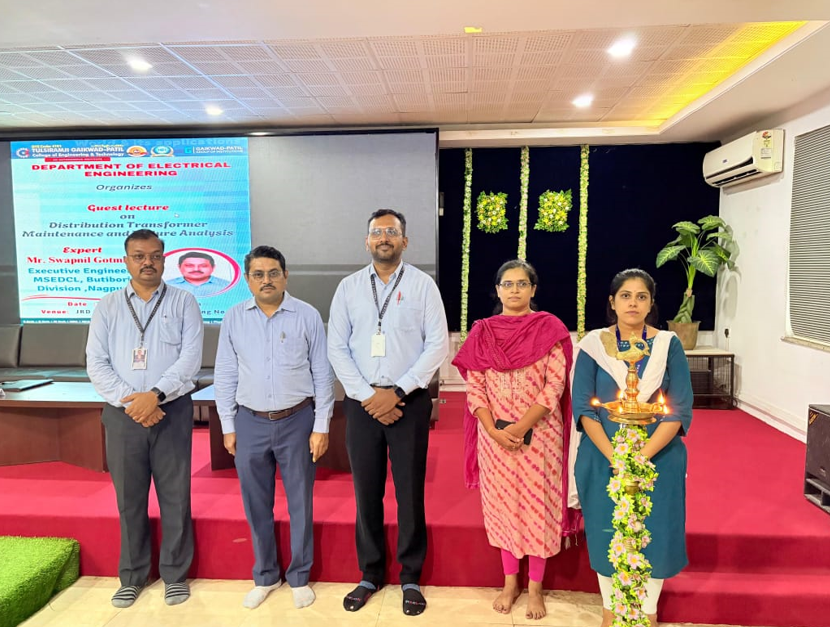

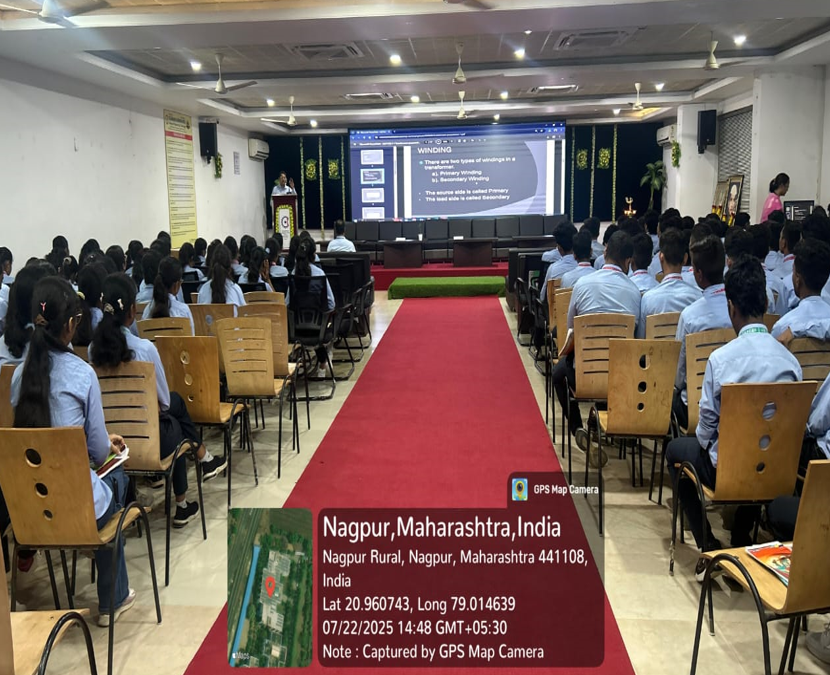

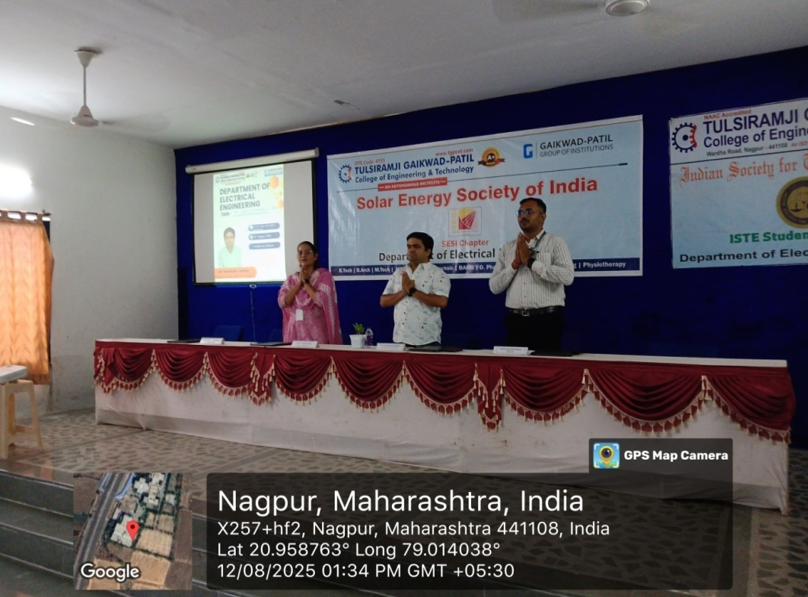
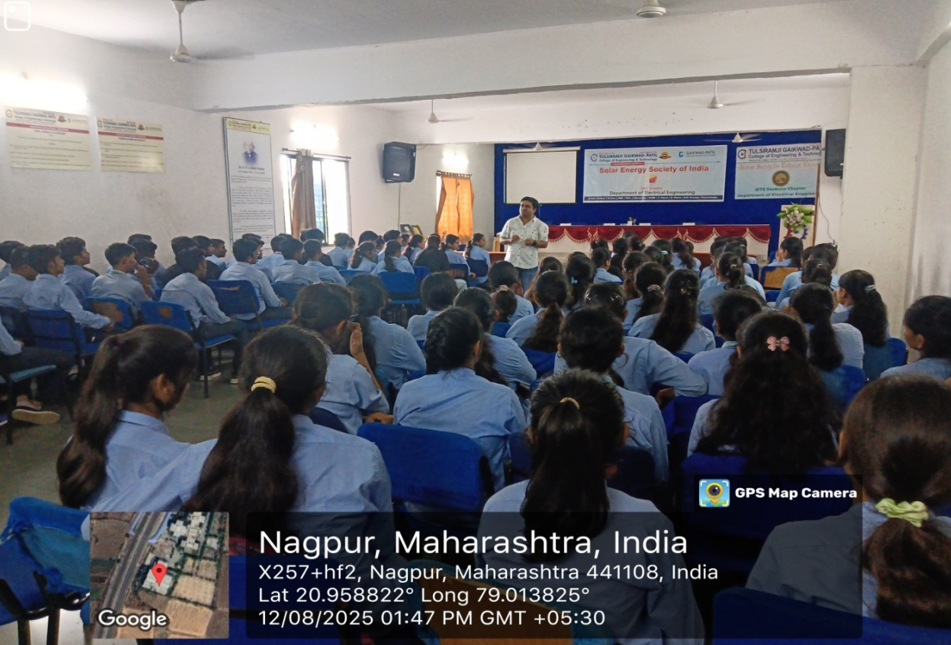

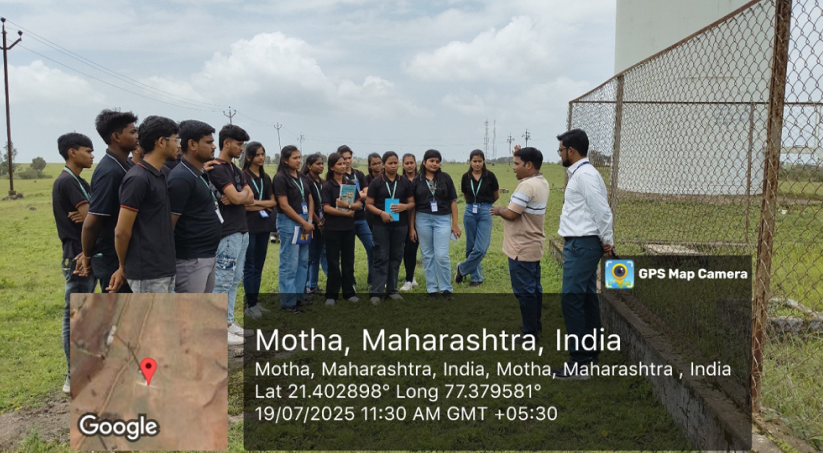


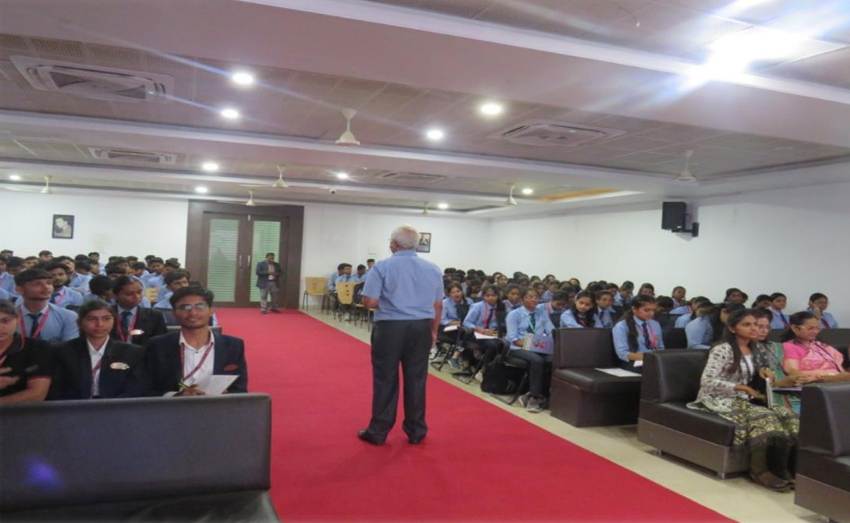


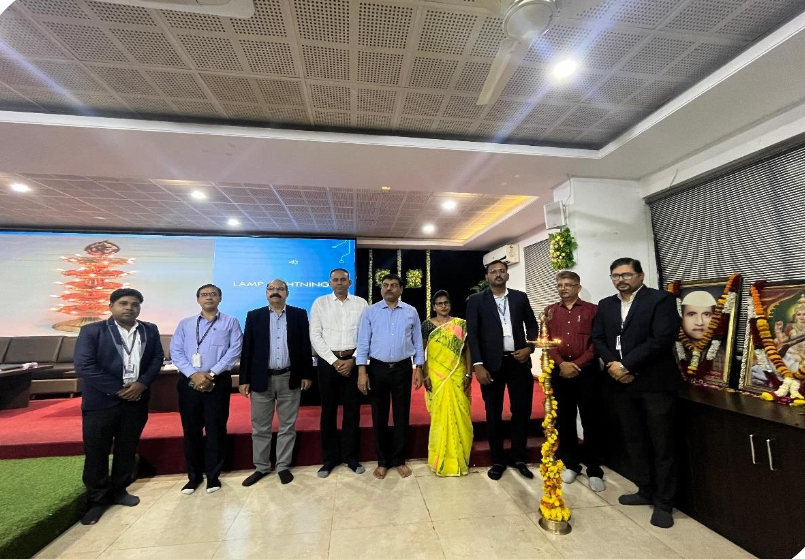

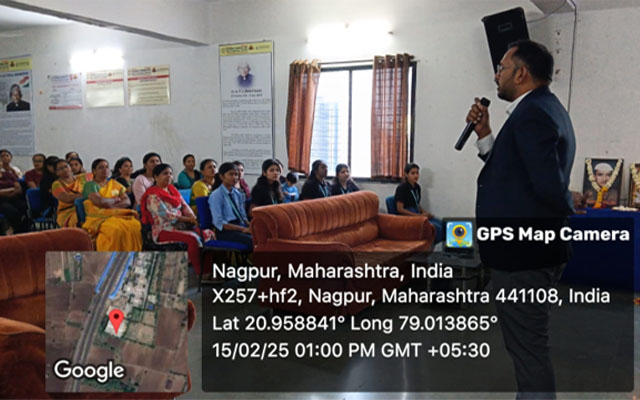
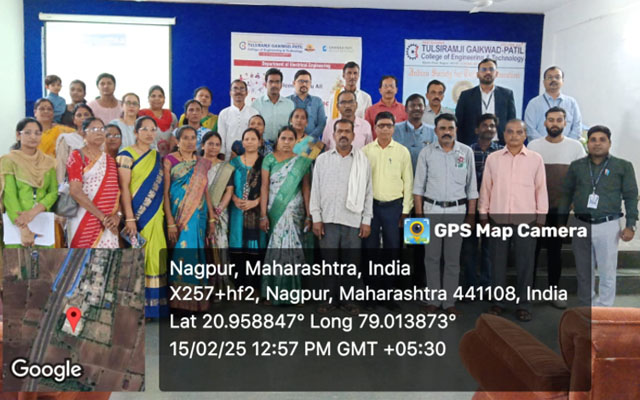
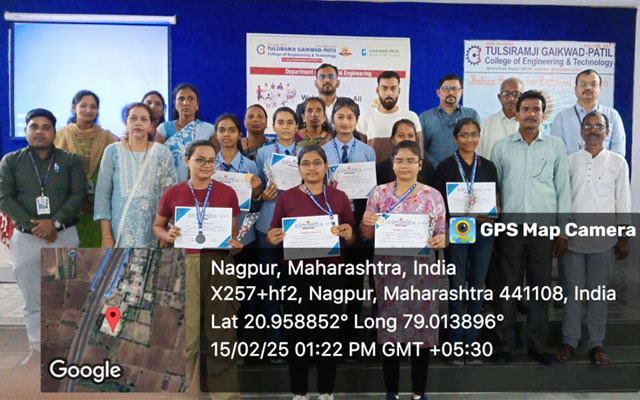

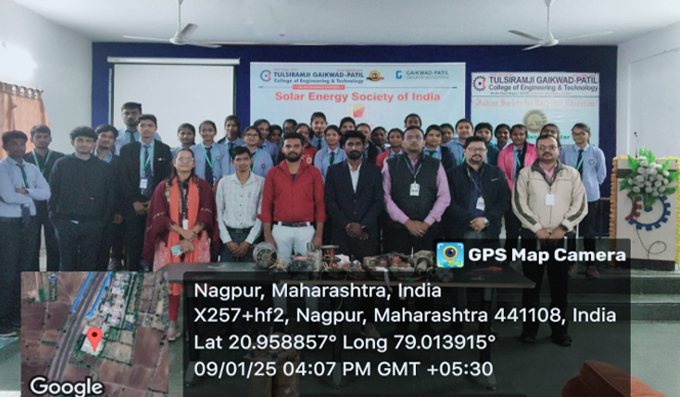
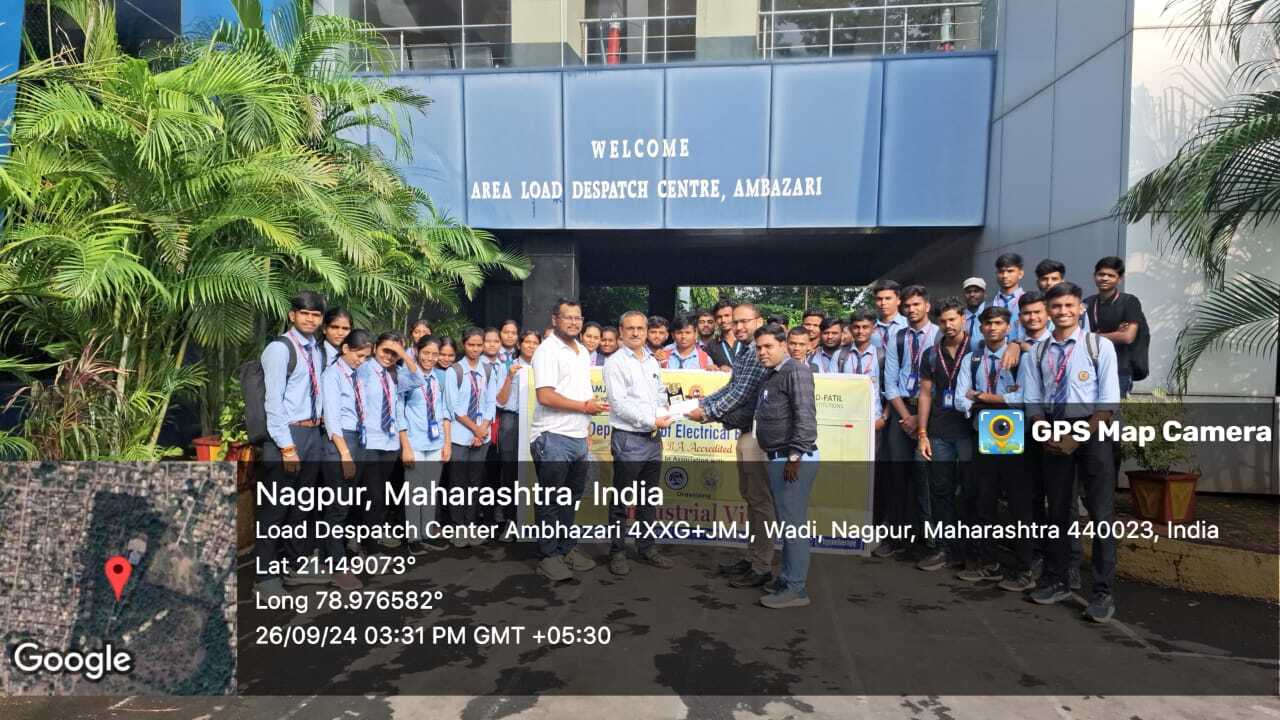
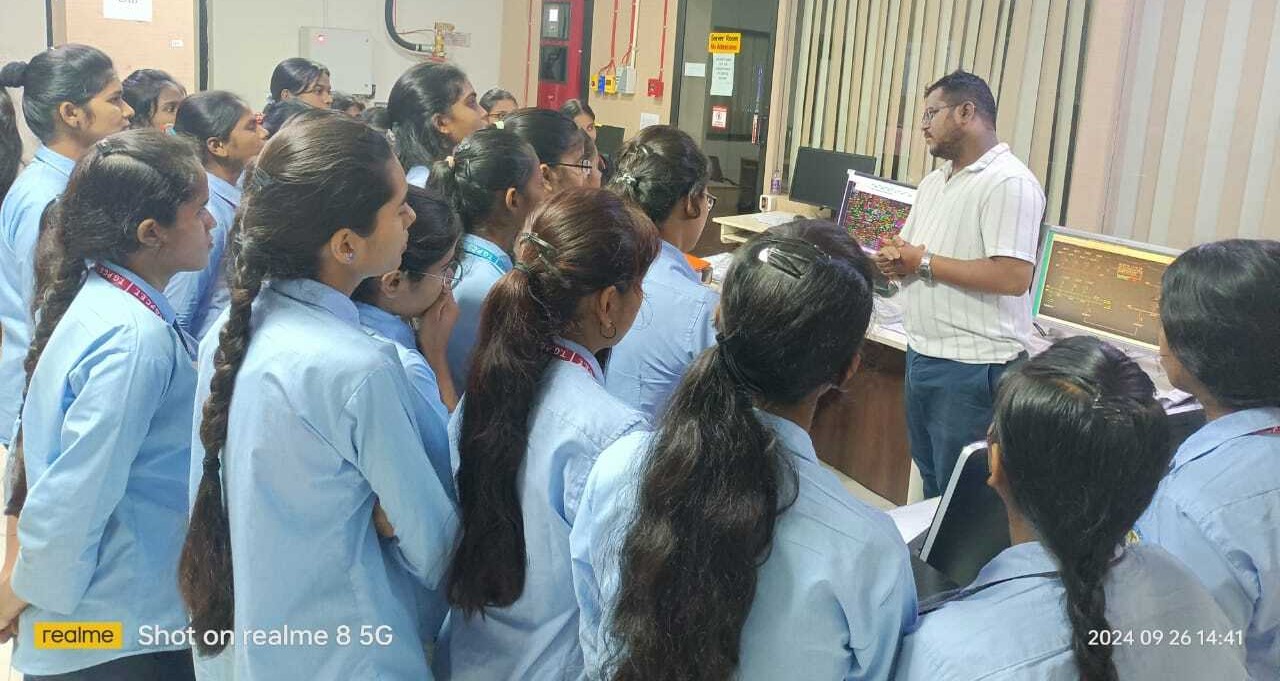

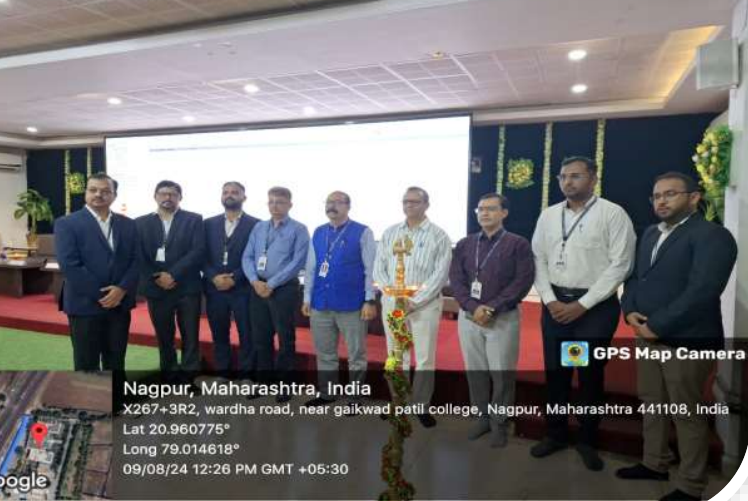
Forum Installation Report:2025-26 Student Participation in the Paper Presentation event Forum Activities Career Options after Electrical Engineering Celebration of National Science Day Farewell - 2K24 SESI Chapter Installation Program Industrial Automation with PLC SCADA Guest Lecture on “Experimental Learning Through Case Study