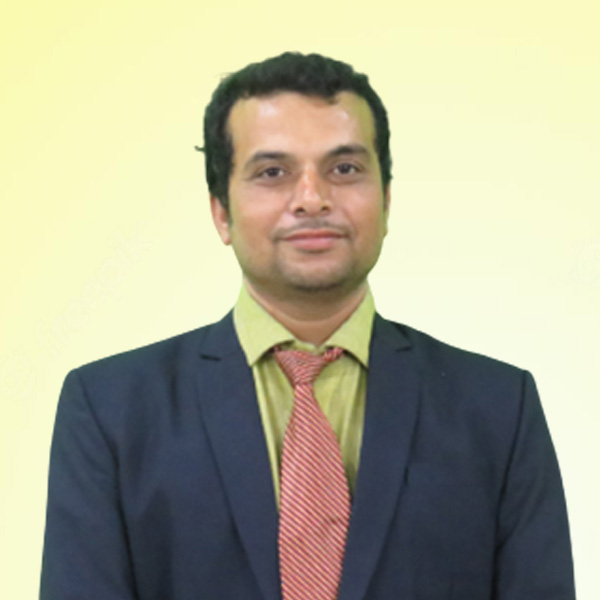
Mr. Praful Randive
UBA Coordinator
94201 41057
nss@tgpcet.com
Even though, our country has made phenomenal progress in the field of Science and Technology as well as the mainstream industrial infrastructure, the fruits of these developments have not reached the large spectrum of our rural population which still languishes in deprivation and poverty. There are huge developmental disconnects between the rural and urban sectors such as inequity in health, education, incomes and basic amenities as well as employment opportunities, all causing great discontent and large-scale migration to urban areas.
Further, the imperatives of sustainable development which are being felt more and more acutely all over the world also demand eco-friendly development of the villages and creation of appropriate employment opportunities locally. Increasing urbanization is neither sustainable nor desirable. In this context, it may be recalled that Mahatma Gandhi had envisioned that that the development of the country should take place on the basis of ‘Gram Swaraj’ i.e. self-sufficient and sustainable rural economy – a dream which continues to remain unfulfilled even after 70 years past independence.
One prominent reason for this situation is the gross alienation between the ethos and activities of our higher knowledge institutions particularly, the professional institutions from the process of indigenous rural development. So far, our professional and higher education institutions have largely been oriented to cater to the mainstream industrial sector and, barring a few exceptions, have neither had the opportunity nor the orientation and the wherewithal to directly partake in the indigenous developmental activities.
The need for harnessing the indigenous S&T and other knowledge resource of the country in the process of indigenous rural development is being felt acutely. In this context Unnat Bhārat Abhiyān is a unique, highly challenging and very much cherished initiative in this direction.
→ To build an understanding of the development agenda within institutes of Higher Education and an institutional capacity and training relevant to national needs, especially those of rural India.
→ To re-emphasize the need for field work, stake-holder interactions and design for societal objectives as the basis of higher education.
→To stress on rigorous reporting and useful outputs as central to developing new professions.
→ To provide rural India and regional agencies with access to the professional resources of the institutes of higher education, especially those that have acquired academic excellence in the field of science, engineering and technology, and management.
→ To improve development outcomes as a consequence of this research. To develop new professions and new processes to sustain and absorb the outcomes of research.
→ To foster a new dialogue within the larger community on science, society and the environment and to develop a sense of dignity and collective destiny.
Vision
→ Unnat Bharat Abhiyan is inspired by the vision of transformational change in rural development processes by leveraging knowledge institutions to help build the architecture of an Inclusive India.
Mission
→ The Mission of Unnat Bharat Abhiyan is to enable higher educational institutions to work with the people of rural India in identifying development challenges and evolving appropriate solutions for accelerating sustainable growth. It also aims to create a virtuous cycle between society and an inclusive academic system by providing knowledge and practices for emerging professions and to upgrade the capabilities of both the public and the private sectors in responding to the development needs of rural India.
| Sr. No | Name of Village | Name Of Village Head |
|---|---|---|
| Mohagaon | Mr. Arun Wankhede (Up Sarpanch) | |
| Borkhedi | Mr. Arun Wankhede (Up Sarpanch) | |
| Turkmari | Mr. Yogesh Satpute (Sarpanch) | |
| Satgaon | Mr. Yogesh Satpute (Sarpanch) | |
| Sonegaon | Mr.Yogesh Wankhede (Sarpanch) |
| Sr. No | Title of Activity | Scheduled Date |
|---|---|---|
| Program on the occasion, “Meri Maati Mera Desh”campaign | 15 August, 2023 | |
| Program of Space on Wheels | 10 January 2024 | |
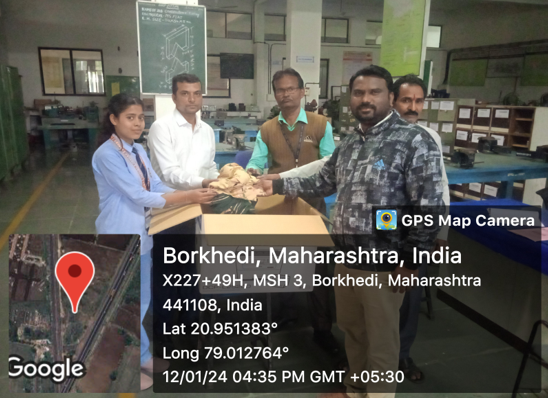
| Celebration of National Youth Day | 12 January 2024 | |
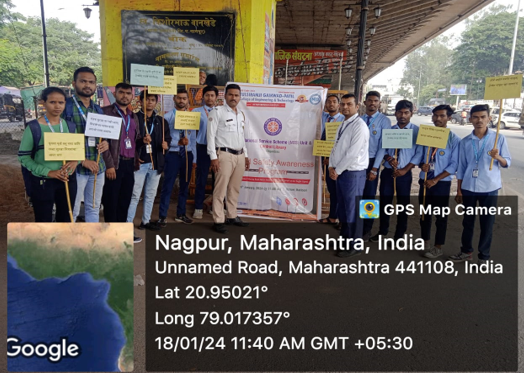
| Celebration of Road safety Awareness Program | 18 January 2024 | |
| Celebration of Program on Beti Bachao Beti Padhao Abhiyan | 25 January 2024 | |
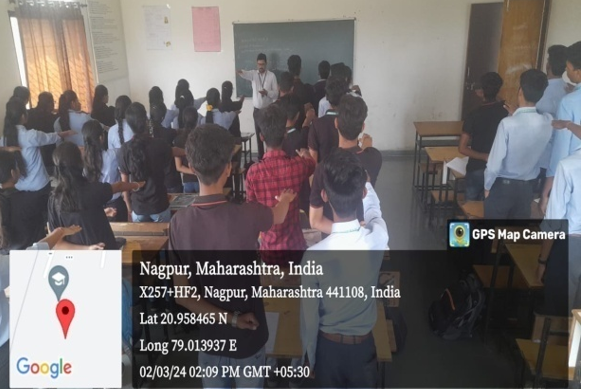
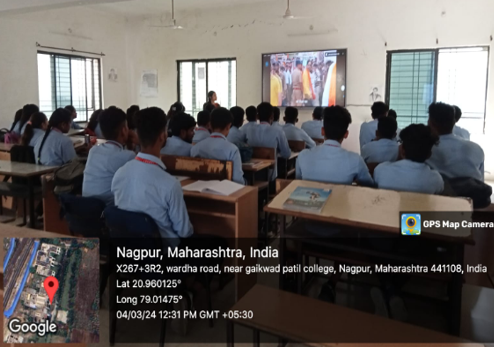
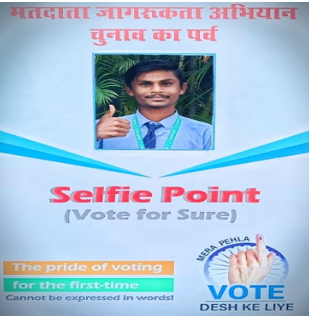
| Campaign on Mera Pehla Vote Desh ke Liye | 28 February 2024 - 14-03-2024 | |
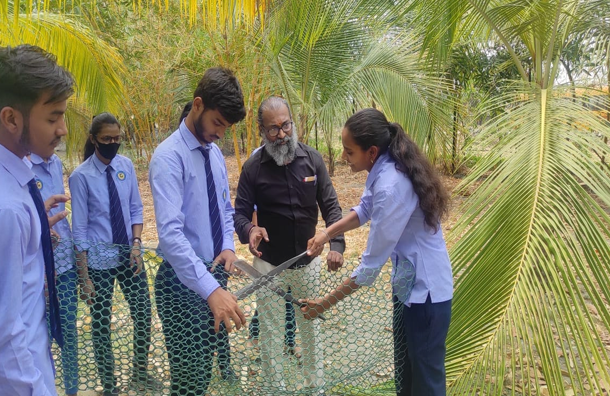
| “Shramdaan” Activity based Learning | 9 April, 2022 | |
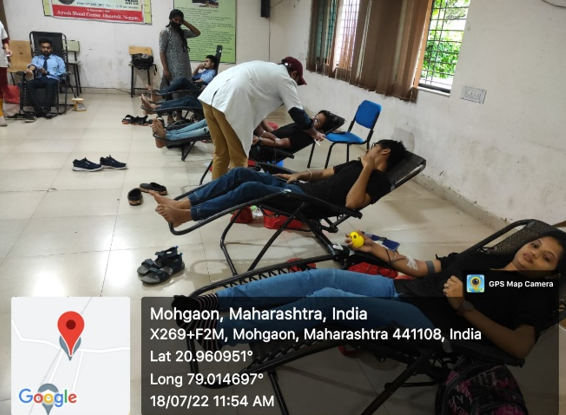
| Blood Donation Camp | 18th July, 2022 | |
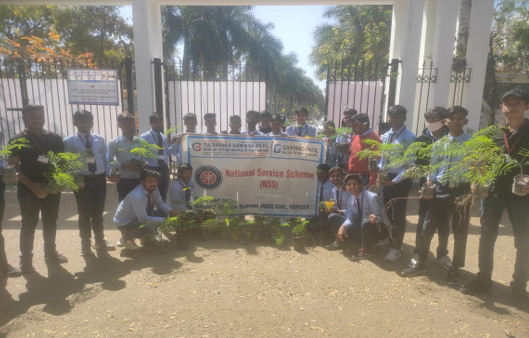
| Tree Plantation Drive | 7th February, 2023 | |
| Health Checkup Camp | 16th February, 2023 | |
| Tree Plantation and Panch Pran Pledge | 15th August, 2023 |
| Sr. No. | Name | Designation & Department | Responsibility |
|---|---|---|---|
| Dr. P. L. Naktode | Principal | Chairman | |
| Prof. Prafirl Randive | Assistant Professor (ME) | Member | |
| Dr. Rohit Kalnake | Assistant Professor (BT) | Member | |
| Prof. Mrunali Kite | Assistant Professor (EE) | Member | |
| Prof. Divyani Harpal | Assistant Professor (CE) | Member | |
| Prof. Jayant Adhikari | Assistant Professor (CSE) | Member | |
| Prof. SwatiThengane | Assistant Professor (IT) | Member | |
| Prof. Kalyani Sawarkar | Assistant Professor (ECE) | Member | |
| Prof. Jonna Naresh | Assistant Professor (AE) | Member | |
| Prof. .Priyanka Kanoje | Assistant Professor (DS) | Member | |
| Prof. Ashaya Khodey | Assistant Professor (MBA) | Member | |
| Dr. Kalpit P. Kaurase | Dean (CSR) | Member Secretary |
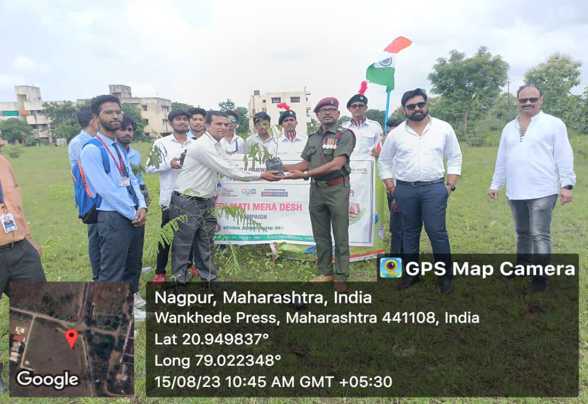
Courageous ‘Veers’ Mr.Vivek R.Bhagat Ex CRPF felicited by sampling